
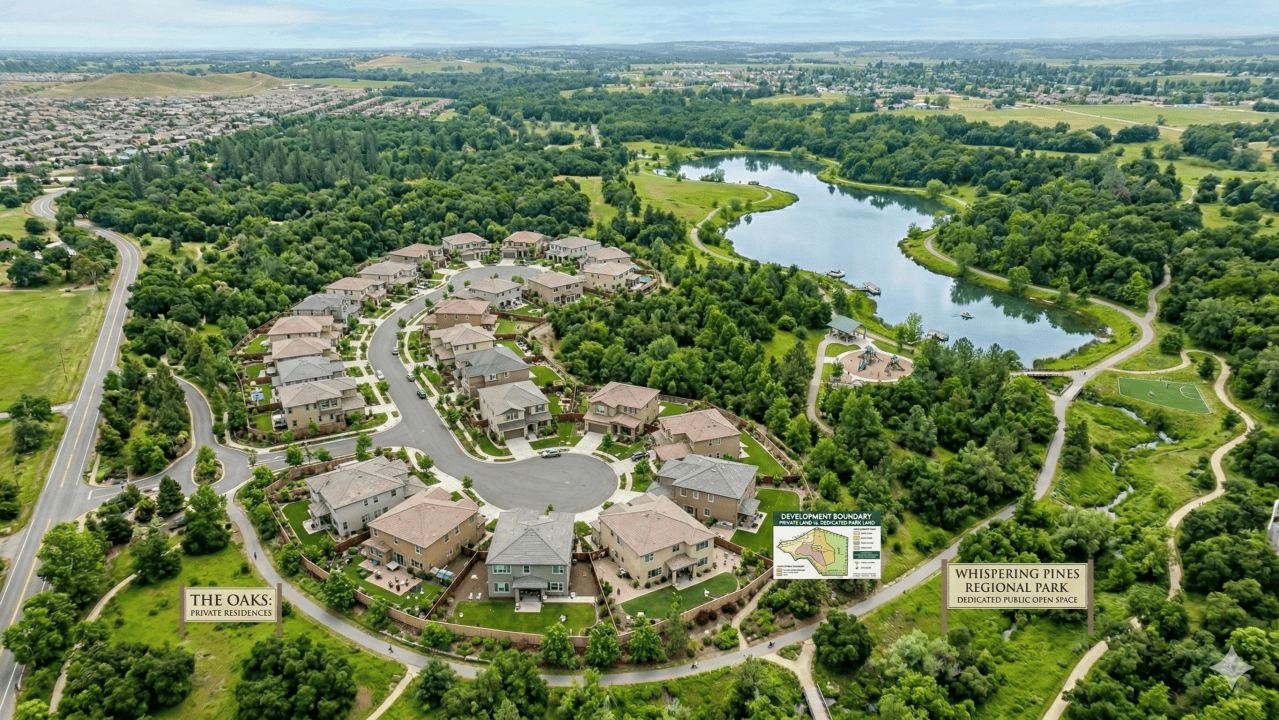
Real Estate 101: Dedicated Lands Explainer
I write these explainers to help me stay fresh on real estate areas I don’t get a chance to consistently work on but find fascinating. This explainer deals with how cities get parks and green spaces.
That parcel of open space. The land for a new park. The scenic easement along a riverbank appear as generous gifts, but these dedicated lands are rarely voluntary. They are required by municipalities from developers as a condition of project approval.
This standard practice, meant to ensure new communities have necessary public infrastructure, is how most dedicated land enters a city's portfolio. But for municipalities, this land can be a Pandora’s Box, hiding financial, legal, and environmental risks that can drain budgets for decades.
The moment the deed is signed, the clock starts ticking on a perpetual obligation. The key to survival isn’t just acceptance; it’s aggressive, preemptive risk mitigation. During my time in municipal real property, I saw how automatic acquisition of these lands could cloud judgment. Our job was to cut through the process and see each asset for what it truly was: a long-term liability that needed to be managed on day one. Unfortunately, most municipalities don’t have a policy in place to mitigate risk.
Triple Threat
Municipal risk from dedicated lands falls into three inevitable categories, each capable of wreaking havoc on a budget by itself. Understanding these is the first step to realistic evaluation.
Premises liability is the most immediate danger. A child injured on playground equipment or a hiker falling on an unmarked trail generates lawsuits where juries view governments as deep-pocketed entities with a duty to protect the public. Parks and recreation facilities are consistently among the most frequent and costly categories of general liability losses for municipal risk pools.
Environmental contamination represents the hidden, catastrophic cost. That scenic meadow may sit atop an abandoned underground storage tank or pesticide residue from decades of agricultural use.
Under CERCLA (Superfund), current owners can inherit cleanup responsibility regardless of who caused the pollution. The EPA can compel responsible parties to pay, but when the original polluter is defunct, the municipality bears the full cost. Smaller cities have faced multi-million dollar cleanup obligations that consumed entire capital improvement budgets.
Use restriction is by far the loosest cannon and the most legally binding constraint comes from the deed itself. Accept land "for public park use in perpetuity," and you have effectively locked it forever.
Attempting decades later to sell a corner for a needed library expansion will trigger litigation from donors' heirs or land trust watchdogs. These use restrictions eliminate flexibility, preventing municipalities from responding to changing community needs.
The Pre-Acquisition Checklist
The defense begins long before acceptance. The instinct to celebrate a "free" gift must be overridden by the discipline of forensic investigation. This is non-negotiable.
A Phase I Environmental Site Assessment is your primary shield. Conducted by a licensed environmental professional, it reviews historical records and current site conditions to identify Recognized Environmental Conditions (RECs). The cost—typically $2,500 to $5,000—is negligible against potential cleanup costs. While a clean Phase I supports an "innocent landowner" defense if contamination is later discovered, it does not provide absolute immunity.
Title examination must go beyond standard practice. You're hunting for obscure restrictions, hidden rights-of-way, ambiguous language in century-old deeds that could be weaponized in court. This requires a title company experienced in municipal and conservation transactions, not the standard residential or commercial shop.
Here's the cold truth most don't know, title companies often refuse to issue standard owner's policies on dedicated lands. These parcels have zero market transfer value—they're legally locked into a single use. Without a policy, any cloud on title becomes the city's problem to solve alone.
When I was in municipal real property, I could not believe that cities were gambling on accepting dedicated lands with little or no attempt at risk mitigation—staff didn’t know there was a way to mitigate the risk—and so we put a procedure in place to indemnify the municipal corporation.
While title companies will not write a policy on dedicated lands they will issue a Certificate of Title Guarantee—a comprehensive report from the title company detailing all found exceptions. Second, we coupled that COTG with a robust Hold Harmless and Release Agreement from the developer.
This contract required the transferring party to indemnify the city against losses arising from title defects not explicitly listed in the COTG. This transferred risk back to the party with the deepest knowledge of the property's history. The COTG and hold harmless agreement helped mitigate risk.
Managing the Accepted Obligation
If the land is accepted, the strategy shifts to relentless, documented management. The paper trail you create today is your primary defense tomorrow.
Implement a rigorous, digital inspection schedule. Every playground structure, trail section, and facility must be logged with dates, conditions, and corrective actions. This documentation is crucial for setting up "duty of care" if a lawsuit arises.
Post clear signage warning of inherent risks like "Unattended Facility" or "No Lifeguard on Duty." Properly worded signage is recognized by courts as evidence of efforts to inform the public.
Most critically, and if possible, negotiate a maintenance endowment from the donor. The land isn't free if its upkeep consumes a portion of your parks budget indefinitely. A lump sum or funded trust to cover long-term maintenance costs transforms a burden into a true asset.
Calculate the present value of decades of maintenance and request that amount be placed in a restricted endowment. Hazard mitigation and capital planning guidance stresses life-cycle costing for this reason.
The Developer's Strategic Advantage
Sophisticated developers reframe these obligations as opportunities. Rather than treating land dedications as fees, they design and construct finished community amenities—parks with irrigation, trails with proper drainage. They couple this delivery with the same risk mitigation framework (COT + Hold Harmless) the city would demand.
This transforms compliance into advantage. The finished park becomes the marketing centerpiece. Studies suggest that, in some contexts, homes directly adjacent to desirable parks or greenways can see value premiums in the high single digits to low teens.
The Bottom Line
Municipal land dedication isn't about receiving gifts. It's about accepting long-term obligations in exchange for immediate community benefit. The financial, legal, and environmental risks are real, calculable, and permanent.
Your first and best defense is forensic due diligence before acceptance. Your ongoing strategy is disciplined, documented management. The cities that thrive treat every dedicated acre with the same rigor they'd apply to a multi-million-dollar capital purchase.